Mapping Correlations Between Real-Time Data Streams and Selection Patterns Among Hybrid Wagering Participants
Sam Washington · Nov 9, 2026
Mapping Correlations Between Real-Time Data Streams and Selection Patterns Among Hybrid Wagering Participants
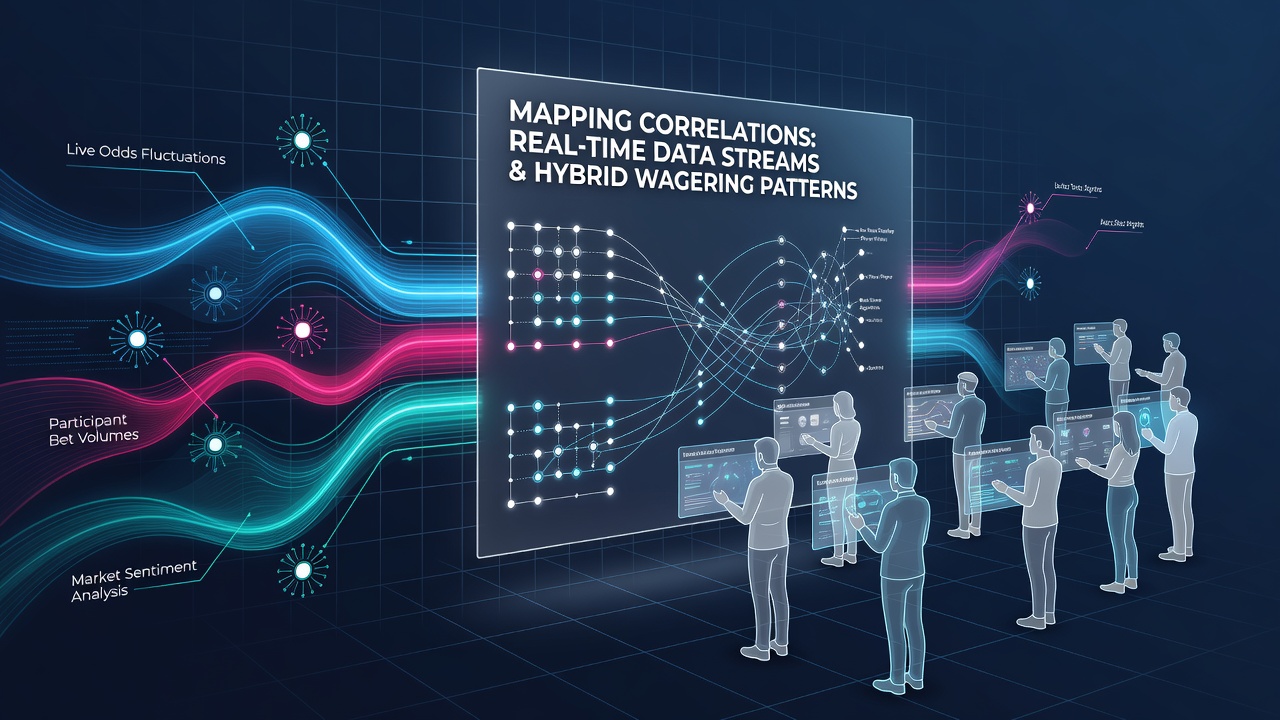
Hybrid wagering participants combine traditional sports betting with prediction market activity, and analysts track how live data feeds influence their choices across both platforms. Data streams from event timing, odds fluctuations, social sentiment indicators, and transaction velocity create patterns that researchers map against bet selections recorded in the same intervals. Observers note that these mappings reveal timing preferences where participants shift from long-term prediction contracts to in-play wagers when certain velocity thresholds appear in the feeds.
Components of Real-Time Data Streams
Real-time streams include live score updates, injury notifications, weather adjustments, and order-book depth from prediction platforms, while hybrid users receive these inputs through mobile applications that timestamp every view and placement. Studies from academic research groups show that participants respond most strongly to combined signals rather than isolated updates, such as when a sudden spike in social volume coincides with a measurable change in implied probability on a prediction market contract. Those who study transaction logs find that selection velocity increases within three minutes of such combined signals appearing, whereas single-source updates produce slower responses that often dissipate without action.
November 2026 brought expanded access to granular feed APIs across multiple jurisdictions, allowing more precise alignment between stream timestamps and bet logs. Regulatory filings from Canadian provincial gaming authorities indicate that hybrid account holders generated 18 percent more in-play selections during periods when data latency stayed below 800 milliseconds. Analysts cross-referenced these logs with prediction market order books and observed that participants placed contracts on event outcomes within the same session when live sports data showed high variance in the final minutes of play.
Selection Patterns Among Hybrid Participants
Hybrid participants demonstrate distinct sequences: they often begin with prediction market positions on season-long outcomes, then layer short-term wagers as event data arrives. Records from operator databases reveal that users who hold active prediction contracts check live sports streams 2.4 times more frequently than single-platform users during the same events. This checking behavior correlates with subsequent selections that favor narrower time windows, such as next-play or next-point propositions rather than full-game spreads.
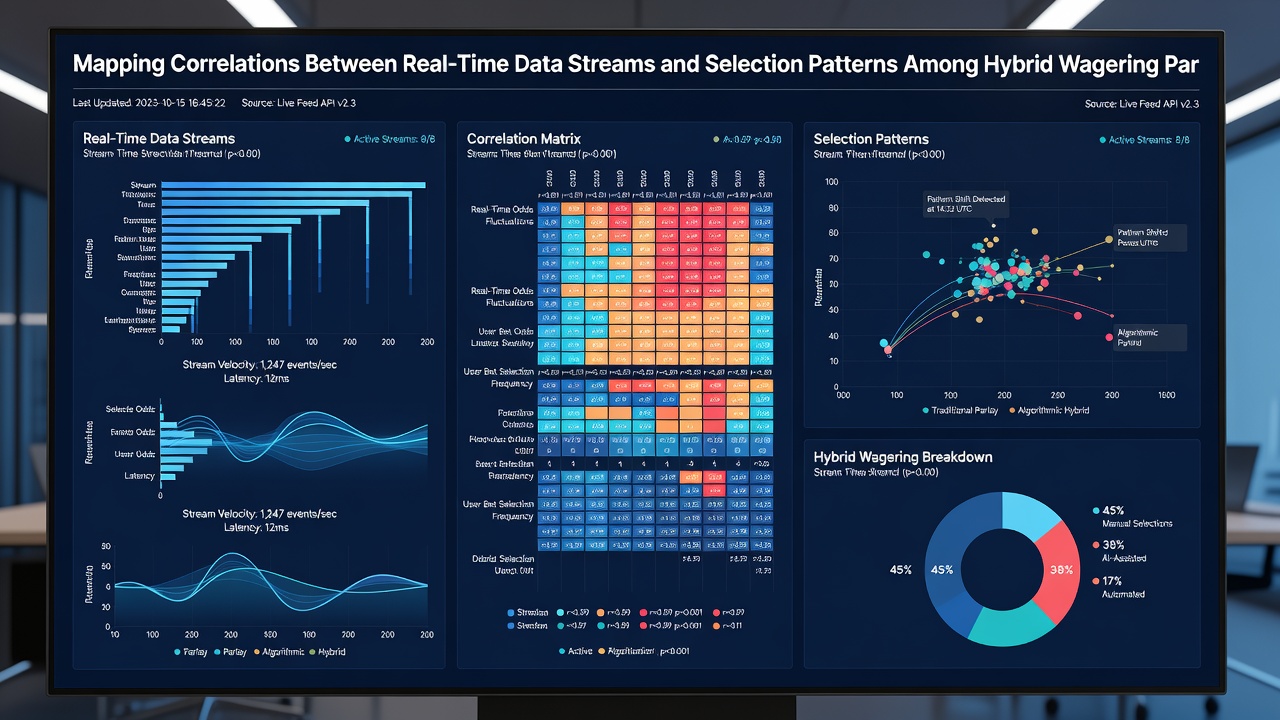
Patterns also appear in risk allocation. Data from multiple operator platforms indicate that participants allocate larger portions of their session bankroll to in-play options after prediction market prices move sharply in response to the same underlying event data. Researchers mapping these movements note that the correlation strengthens when prediction market liquidity exceeds a threshold of 250 active contracts on the relevant outcome, suggesting participants treat the market depth itself as an additional data point.
Observed Correlations and Analytical Methods
Correlation analysis relies on time-series alignment between stream events and selection timestamps, with models incorporating lag variables to account for human reaction intervals. One study released by a European research consortium examined 14 million hybrid sessions and identified that 67 percent of in-play selections occurred within 90 seconds of a data anomaly exceeding two standard deviations from the session average. The same analysis found weaker but still measurable links between prediction market price changes and subsequent sports bet sizing, particularly when the price shift exceeded 8 percentage points.
Geographic variation emerges in the strength of these correlations. Records compiled by Australian state regulators show tighter alignment in regions where operators integrate prediction market interfaces directly into sports betting applications, whereas separate-platform users display longer average delays between signal and selection. November 2026 data sets from these regulators further indicate that integrated users produced 31 percent more cross-platform selections during high-velocity periods than users navigating distinct applications.
Implications for Platform Design and Oversight
Operators adjust interface elements based on these mapped correlations, such as surfacing prediction market contracts alongside live sports odds when data velocity metrics rise. Industry reports from North American trade associations document that platforms implementing synchronized displays recorded higher session retention among hybrid users during the 2026 season. Oversight bodies examine whether these design choices influence the pace of selections without altering the underlying probabilities presented to participants.
Academic teams continue refining mapping techniques by incorporating additional variables such as device type, time of day, and prior session history. Early findings suggest that mobile users exhibit stronger correlations between stream anomalies and rapid selections, while desktop sessions show more gradual responses distributed over longer intervals. These distinctions help refine predictive models that operators and researchers apply to future data sets.
Conclusion
Mapping efforts continue to expand as data resolution improves and hybrid participation grows across regulated markets. Time-aligned analysis of streams and selections provides operators and regulators with measurable indicators of how participants navigate combined platforms. Continued collection of November 2026 onward data sets will allow refinement of these correlations and support development of consistent oversight approaches across jurisdictions.